
Health Policy & Systems
Data Collection for HEMA Project Performance Indicators
A 2010 performance indicator survey for the HEMA project supporting healthcare for the poor in the Northern Mountains and Central Highlands, funded by the EU and World Bank.
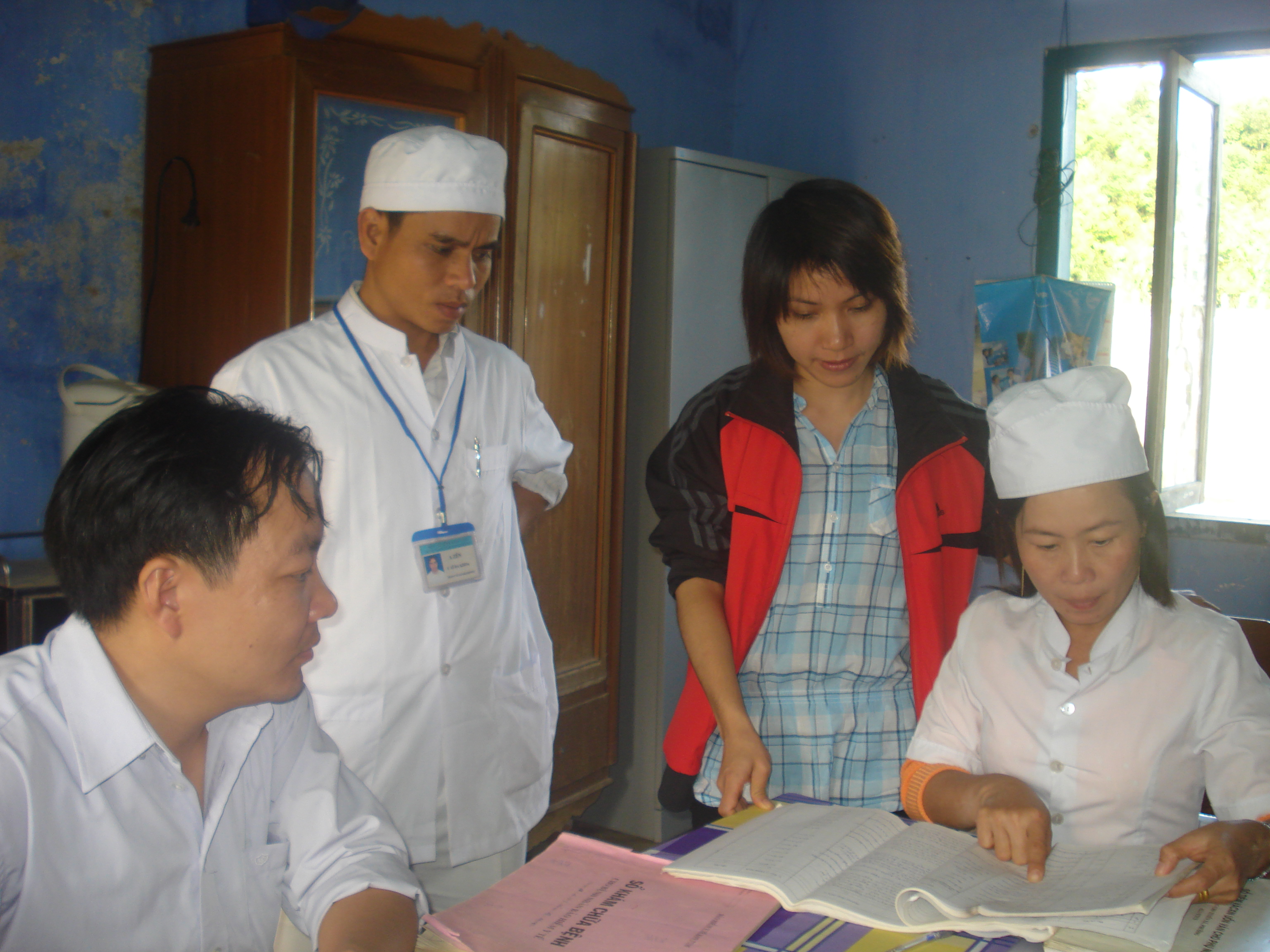
Project Overview
- Field: Project monitoring and evaluation, health indicator data collection, primary health information systems, and healthcare for the poor in the Northern Mountains and Central Highlands
- Duration: 2010 indicator survey; field data collection conducted in late November and December 2011
- Funder: European Union (EU), with technical and financial support from the World Bank under the Healthcare Support for the Poor in the Northern Uplands and Central Highlands Project (HEMA)
- Managing agency: Central and provincial HEMA Project Management Units
- Survey implementing unit: Center for Environmental and Health Studies (CEHS)
- Location: 5 HEMA project provinces — Sơn La, Lai Châu, Điện Biên, Gia Lai and Kon Tum; surveys at 5 provincial PMU offices, 32 district hospitals and 200 commune health stations
Introduction
The HEMA project was implemented to support healthcare for the poor in the Northern Mountains and Central Highlands by improving primary health services, strengthening district- and commune-level capacity, and expanding access to care for disadvantaged populations. In this context, establishing a monitoring and evaluation system and indicator set was key to measuring the project's results, effectiveness and impact.
The "Data Collection for HEMA Project Performance Indicators 2010" package updated the project's evaluation indicator set across 5 provinces, analyzed differences between project areas and indicator trends over time, and reviewed record-keeping systems, information storage and data collection capacity at the primary level.
CEHS's Role
CEHS was the lead implementing agency for the 2010 HEMA indicator survey. The Center was responsible for developing the research design, finalizing the survey methodology, defining the indicator set, developing the data collection toolkit, and monitoring guidance.
CEHS worked closely with the central, provincial and district HEMA PMUs to coordinate, implement and supervise field data collection; organized training for supervisors and enumerators; processed and analyzed data; and developed the results report with conclusions and recommendations.
Key Activities
- Reviewing methodology, defining survey purpose, expected results, and the indicator list to be collected.
- Finalizing survey forms, supervision guidance and data collection guidance; developing a toolkit of 8 form types for the provincial, district and commune levels.
- Establishing supervisor and enumerator teams; organizing training sessions at provincial Departments of Health.
- Collecting data at 5 provincial PMU offices, 32 district hospitals and 200 commune health stations on World Bank required indicators (WB1–WB10) and results indicators from the HEMA logframe.
- Assessing the status of record-keeping, storage and reporting systems at health stations; assessing enumerator capacity.
- Analyzing indicator differences between areas and trends over 2008–2010, and proposing recommendations to improve the monitoring and evaluation and data management systems.
Key Results
- Completed collection of the 2010 HEMA performance indicator set across 5 provinces, 32 districts and 200 communes, ensuring comparability with the 2008 and 2009 surveys.
- Identified differences in indicator achievement between project provinces, districts and communes; clarified trends in key indicators (immunization, antenatal care, tetanus vaccination, nutrition, equipment, curative service use) over 2008–2010.
- Described the status of record-keeping and information storage at commune health stations, including the proportion of communes with complete records and the usability of data for management.
- Assessed enumerator capacity across the 5 project provinces, identifying strengths and gaps to be addressed through training and technical support.
- Proposed specific recommendations to strengthen the monitoring and evaluation system, standardize data management processes, and increase data use in planning and supervising HEMA activities at all levels.