
Research, Evaluation & Technical Assistance
Epidemiological Monitoring and Evaluation for Community Health Protection during Construction of the Trung Sơn Hydropower Project
Periodic epidemiological monitoring for community health protection across 9 communes in the Trung Sơn Hydropower Project area, 2013–2017, funded by Trung Son Hydropower Company.
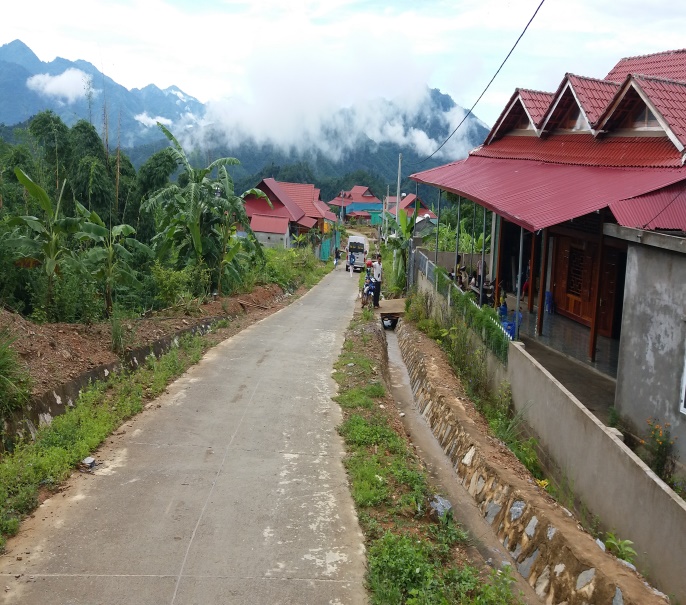
Project Overview
- Field: Research, Evaluation & Technical Assistance
- Duration: 11/2013 – 12/2017
- Funder: WB
- Implementing agency: Center for Environmental and Health Studies (CEHS)
- Location: 9 communes affected by the Trung Sơn Hydropower Project in Quan Hóa and Mường Lát districts (Thanh Hóa) and Vân Hồ/Mộc Châu (Sơn La)
Introduction
The Trung Sơn Hydropower Project is a multi-purpose hydropower project on the Mã River, providing electricity, flood control and supporting regional socio-economic development. Construction and operation affected the living conditions, environment and health of local communities, particularly resettled households and those who lost productive land.
To mitigate these impacts, the project developed a roughly 10-year Public Health Action Plan (PHAP), focused on strengthening local health system capacity, monitoring health risks, and implementing public health activities in the project area.
CEHS's Role
CEHS was selected by Trung Son Hydropower Company to carry out Contract Package C-EMP-09 on epidemiological monitoring and evaluation, tracking PHAP implementation throughout project construction. During 2013–2017, CEHS conducted 8 periodic monitoring rounds (every 6 months), collecting and analyzing data on community health status, disease risks, health service quality, and implementation of health interventions in the project area.
Key Activities
- Reviewing and analyzing data from 8 epidemiological monitoring rounds during 2013–2017.
- Collecting and analyzing secondary data on illness, health service use, and district/commune health facility operations.
- Assessing adherence to care protocols at commune health stations; conducting household surveys across the 9 affected communes.
- Analyzing trends in health, environmental and social issues over time; comparing affected and unaffected population groups.
- Assessing PHAP implementation effectiveness and developing recommendations for the plant's operational phase.
Key Results
- Recorded significant improvement in health determinants across the 9 project communes during 2013–2017: 100% of households had electricity, 94.4% had hygienic water, 80.3% had hygienic latrines, and health service access improved markedly.
- Assessed PHAP implementation effectiveness through health facility upgrades, health worker training, behavior-change communication and equipment support.
- Found a declining trend in malnutrition among children under 5 and acute diarrhea; identified persisting health issues such as acute respiratory infections, HIV/AIDS, traffic accidents, drug abuse and water quality requiring continued attention.
- Proposed technical recommendations for the plant's operational phase to sustain results and strengthen the sustainability of community health protection activities.