
Environmental Health & Climate Change
Assessing Communication Practices and Communication Models for Personal Hygiene, Environmental Sanitation and Rural Water Use in Northern Vietnam
Assessing the effectiveness of communication models for personal hygiene, environmental sanitation and water use in the Red River Delta and Northern Mountains, led by the Health Environment Management Agency.
Project Overview
- Field: Environmental Health & Climate Change
- Duration: 11 - 12/2020
- Lead agency: Health Environment Management Agency (VIHEMA), Ministry of Health
- Implementing agency: Center for Environmental and Health Studies (CEHS)
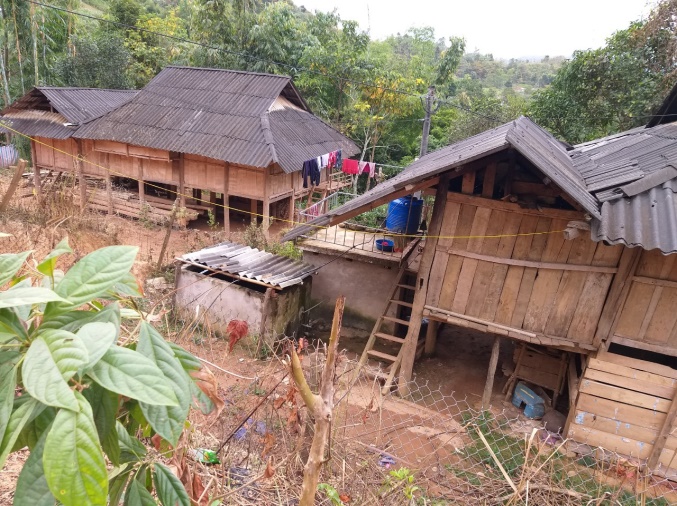
- Location: Provinces in the Red River Delta and Northern Midlands and Mountains; field surveys in Thái Bình, Hà Giang, Cao Bằng and Điện Biên
Introduction
The study assessed the state of communication practices and the effectiveness of communication models for personal hygiene, environmental sanitation and clean water use in the Red River Delta and Northern Midlands and Mountains. Based on an assessment of information access, knowledge, attitudes and practices among residents, the study proposed behavior-change communication models suited to the socio-economic, cultural and geographic characteristics of each region.
The findings serve as a basis for refining communication activities under the National Target Program on Rural Clean Water and Environmental Sanitation in the northern region.
CEHS's Role
CEHS conducted the study, responsible for developing the research design, developing the survey toolkit, organizing quantitative and qualitative data collection in communities and health facilities, managing and analyzing data, and developing thematic and summary reports.
Key Activities
- Developing the research design and toolkit for assessing communication practices and behavior-change communication models for personal hygiene, environmental sanitation and water use.
- Collecting, consolidating and analyzing secondary data on communication activities in Red River Delta and Northern Midlands and Mountains provinces; conducting quantitative and qualitative surveys in Thái Bình, Hà Giang, Cao Bằng and Điện Biên.
- Assessing information access, knowledge, attitudes and practices among residents; assessing the capacity of health workers and collaborators and the effectiveness of local communication activities.
- Assessing the effectiveness of behavior-change communication models in use, including CLTS, PHAST, Sanitation Marketing (SanMark), OBA and PforR.
- Developing 3 thematic reports and 1 summary report, proposing communication models and solutions suited to each ecological region.
Key Results
- Completed a comprehensive assessment of communication practices and behavior-change communication models for personal hygiene, environmental sanitation and water use in the Red River Delta and Northern Midlands and Mountains.
- Found that communication activities used a variety of formats, but information access and behavior-change effectiveness varied between population groups and between delta and mountainous areas, particularly for clean water use, hygienic latrines and personal hygiene.
- Comprehensively assessed the effectiveness of communication models such as CLTS, PHAST, SanMark, OBA and PforR, clarifying the strengths, limitations, implementation conditions and sustainability of each model.
- Developed recommendations on strengthening communication capacity for health workers and collaborators and diversifying communication formats and community participation, serving as technical input for VIHEMA's next-phase communication plan.