
Health Policy & Systems
Evaluating the results and impact of the Health Human Resources Development Program at medical schools and hospitals, funded by ADB, the Government of Australia and Vietnam.
Evaluating the results and impact of the Health Human Resources Development Program at medical schools and hospitals, funded by ADB, the Government of Australia and Vietnam.
Project Overview
- Field: Health Policy & Systems
- Duration: 04–11/2016
- Funder: Asian Development Bank (ADB), the Government of Australia and the Government of Vietnam
- Implementing agency: Center for Environmental and Health Studies (CEHS)
- Location: 8 medical/pharmacy universities and colleges; 8 beneficiary hospitals in Hà Nội, Hồ Chí Minh City and Cần Thơ; 6 Departments of Health — Hà Nội, HCMC, Đà Nẵng, Hà Giang, Hải Dương and Bình Dương
Introduction
The Health Human Resources Development Program aimed to strengthen the health system by developing human resources, improving training quality, and improving health service delivery management. The project had 3 components: (1) strengthening health workforce planning and management capacity; (2) improving health workforce training quality; and (3) improving the health service delivery management system. It ran from January 2011 to December 2016, following a one-year extension.
CEHS's Role
CEHS helped evaluate the project's results and impact, focusing on the extent to which objectives for health workforce development, service quality, relevance, effectiveness, equity and sustainability were achieved. The evaluation combined document review, project reports and field surveys to gather evidence on results at localities and beneficiary units.
Key Activities
- Reviewing components related to human resource planning and management, health workforce training, and service delivery management; reviewing documents and the M&E framework.
- Conducting field surveys in provinces/cities; collecting information from training institutions and health facilities.
- Assessing the project's impact on human resources, service quality, equity and sustainability.
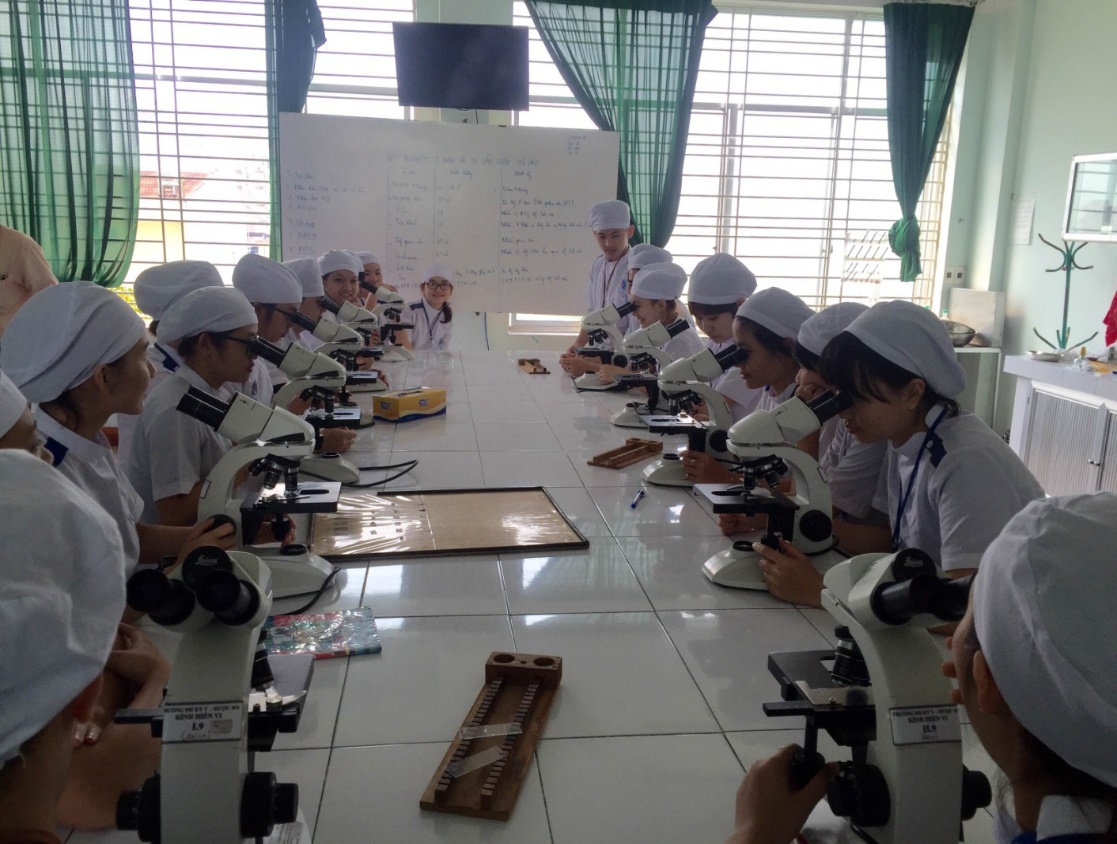
- Developing 17 thematic reports covering the Steering Committee's operations, practicing certificate issuance, equipment and laboratory support, curriculum reform, e-learning systems, case-based payment piloting, and gender and ethnic minority strategy.
Key Results
- The project achieved its objectives, meeting 5 key target indicators. The number of doctors per 10,000 population rose from 7.2 to 8; the proportion of commune health stations with a doctor rose from 70% in 2010 to 80% in 2015.
- Physician coverage at commune health stations in the Northern mountains rose from 61.9% to 67.4%, and in the Central Highlands from 57.8% to 82.4%.
- The practicing license and certification system was successfully implemented, helping improve management of the number, structure and quality of healthcare practitioners.
- Long-term training helped improve faculty qualifications at medical/pharmacy universities and colleges; e-learning systems, digital libraries and training programs for health workers in disadvantaged areas were developed.